Dental Crown and Bridge Aftercare: A Patient’s Guide
Meta title: Dental Crown & Bridge Aftercare | Horizon Dental
Meta description: Learn how to care for your temporary and permanent dental crowns and bridges with our expert post-op instructions. Manage sensitivity and protect your smile.
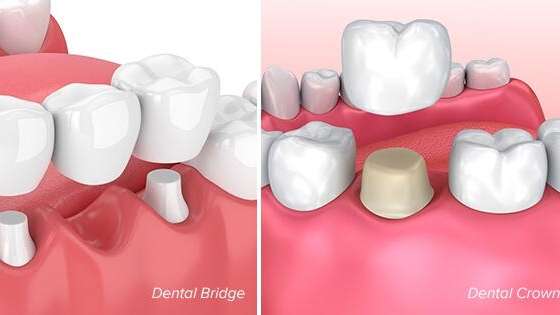
Getting a new dental crown or bridge is a significant step toward restoring the function and appearance of your smile. These custom-made restorations are designed to provide a long-lasting solution for damaged or missing teeth. While the procedure itself is straightforward, the care you provide afterward is essential for a comfortable recovery and the long-term success of your new dental work.
After your initial appointment, a temporary crown or bridge is placed to protect the prepared tooth while your permanent restoration is crafted in a dental lab. Understanding how to care for this temporary piece, and later your final one, will ensure a smooth process from start to finish. This guide covers everything you need to know about post-operative care.
Navigating the First 24 Hours
The period immediately following your appointment is critical. Your mouth will need time to adjust, and you will likely experience some numbness from the local anesthetic.
Be Mindful of Numbness
Following your procedure, it’s common for your tongue, lips, and the roof of your mouth to feel numb for several hours. To avoid accidentally biting your cheek or tongue, or burning yourself, please refrain from eating and drinking hot beverages until the numbness has completely worn off.
Stick to a Soft Food Diet
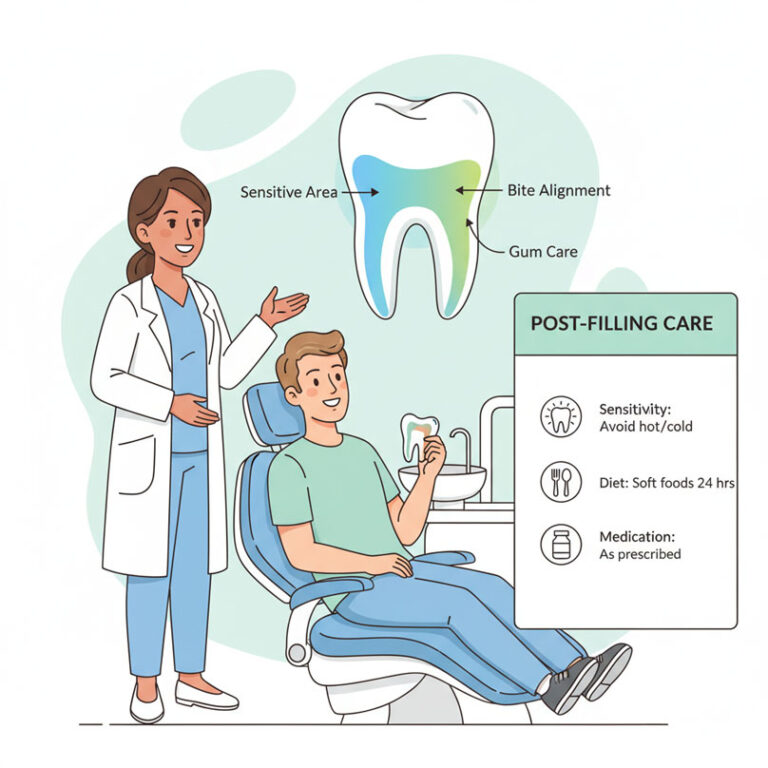
For the first 24 hours, it is crucial to consume only soft foods. This protects your temporary restoration, which is secured with a less permanent cement. Hard or crunchy foods can break it, and sticky foods can pull it off completely.
Here are some safe and comfortable food choices:
- Jell-O or pudding
- Applesauce
- Greek yogurt
- Scrambled eggs
- Mashed potatoes
- Oatmeal
- Cooled soups
- Macaroni & cheese
- Ice cream
- Finely chopped chicken or ground beef
If your temporary crown is on one of your front teeth, it is best to cut up your food into small pieces and chew with your back teeth. Avoid biting directly into food with the temporary restoration.
Caring for Your Temporary Crown or Bridge
Your temporary restoration is more than just a placeholder. It plays an important role by protecting the underlying tooth from bacteria, preventing sensitivity, and holding the necessary space for your permanent crown or bridge to fit correctly. Proper care is essential.
Oral Hygiene Best Practices
It is important to continue brushing your teeth regularly to keep the area clean and free of plaque. However, you need to be careful when flossing. Instead of pulling the floss back up between the teeth, which could dislodge the temporary crown, gently pull the floss through from the side.
What to Do If Your Temporary Comes Off
Despite your best efforts, temporary crowns can sometimes become loose, damaged, or fall off. If this happens, please do not panic, but do not ignore it either. Contact our office as soon as possible. We will be happy to recement or repair it for you. Leaving the tooth unprotected can lead to sensitivity or shifting, which may affect the fit of your final restoration.
Managing Sensitivity and Discomfort
It is normal to experience some sensitivity after having a tooth prepared for a crown or bridge. This is a common reaction and should gradually subside.
Soothing Gum Irritation
The gums around your newly crowned tooth may feel tender or sensitive. To help soothe any irritation, you can rinse your mouth with a warm saltwater solution. Simply mix half a teaspoon of salt into half a cup of warm water and rinse four times a day. This simple remedy can promote healing and reduce inflammation.
Handling Temperature and Pressure Sensitivity
You may also notice some sensitivity to hot, cold, and pressure. This is a normal part of the healing process and should diminish within a few weeks after your final restoration is placed. To manage any discomfort, you can take over-the-counter pain medication, such as ibuprofen, as directed.
If you find that your pain is getting progressively worse or is causing more than mild discomfort, please contact our office. It’s important to let us know so we can ensure everything is healing as it should.
Life with Your Permanent Restoration
Once your custom-made crown or bridge is ready, you will return for your second appointment to have it permanently bonded into place. The aftercare for your final restoration is much like caring for your natural teeth: consistent brushing, daily flossing, and regular dental check-ups are the keys to its longevity. With proper care, your new crown or bridge can protect your smile for many years to come.
Your comfort and health are our highest priorities. Following these instructions will help ensure a smooth recovery and the best possible outcome for your dental treatment.
If you have any questions, experience any issues with your temporary, or need to schedule a follow-up, please do not hesitate to reach out to our team at Horizon Dental.
Call or Text:
(915) 209-1020
Visit Us:
13700 Horizon Blvd Suite 105 E, Horizon City, TX 79928